OBJETIVES.
-
Desarrollar la capacidad para analizar el proceso de evaluación como una fuente de información sobre el desempeño de los estudiantes.
-
Desarrollar la capacidad de analizar las diversas formas de evaluación que ayuden tanto al profesor como al estudiante a favorecer el desarrollo de la competencia comunicativa en inglés.
-
This program develops several concepts that will help the evaluation future English teacher to face their assessment task in a more diligent way. Emphasizes further concepts and techniques that give the evaluation of the four language skills, a central role in the educational process. This subject should be taught in English.
- The following field contains the syllabus of the course, where the contents and objetcives of the course can be read
UNIT 1: LANGUAGE ASSESSMENT.
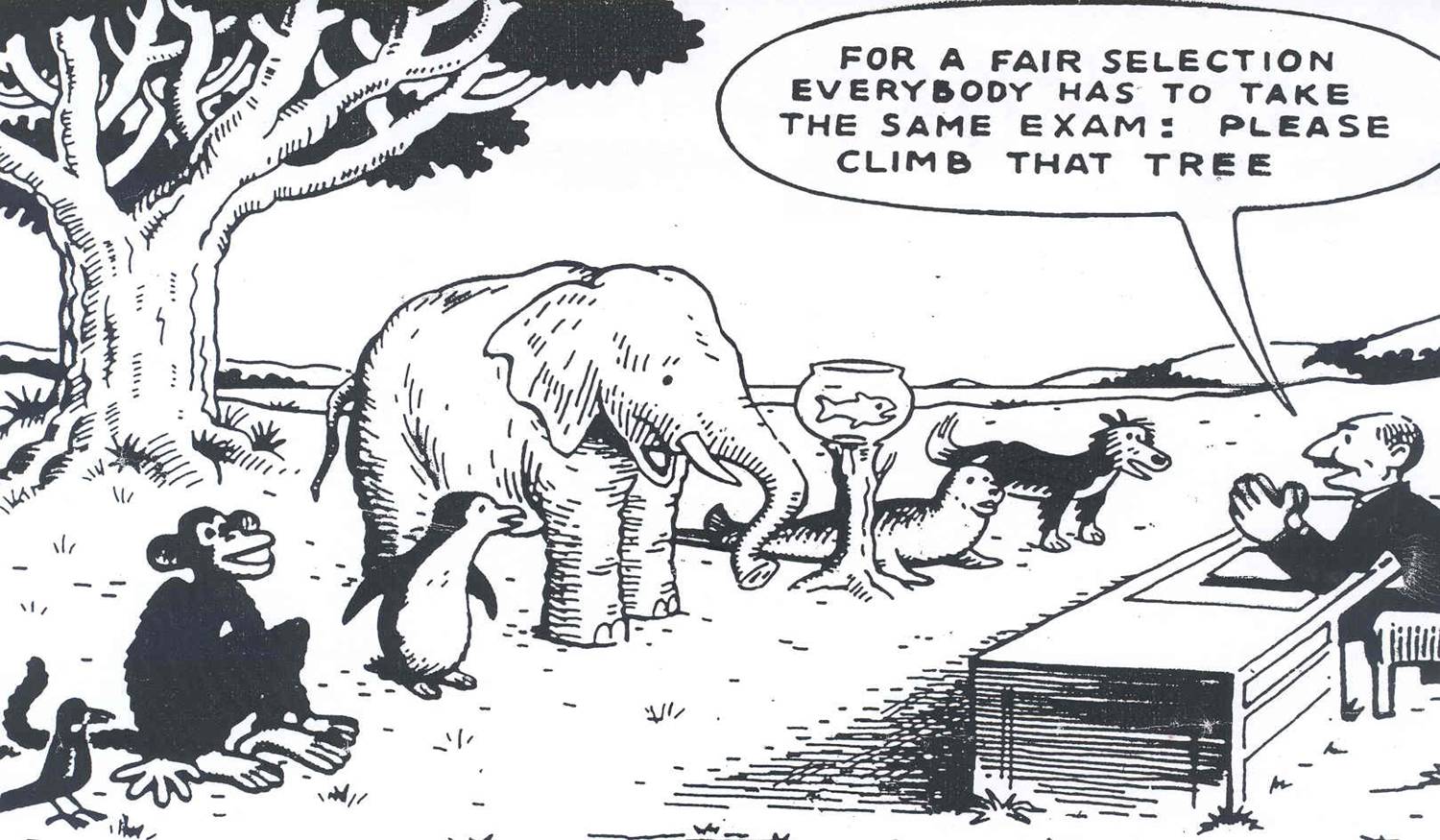
- From this freamework we could notice that assessing in a foreign language is not as easy as it seems. We understood that there are several factors that influence the learning of the students during this process. There are sort of rules or guidelines a teacher must follow to achieve a good quality of his/her assessment tool (standardization). Also we learned the different principles a test, or wathever the type of assessment is, must accomplish with. The idea of establishing the previously analyzed principles/qualities/cornerstones for measuring or assessing in second language acquisition, it certainly helps to shape or define the long standardization that we as teachers of a second language must achieve. Any language test which has claimed to being professionally constructed must reach the principles established by the authors we studied.
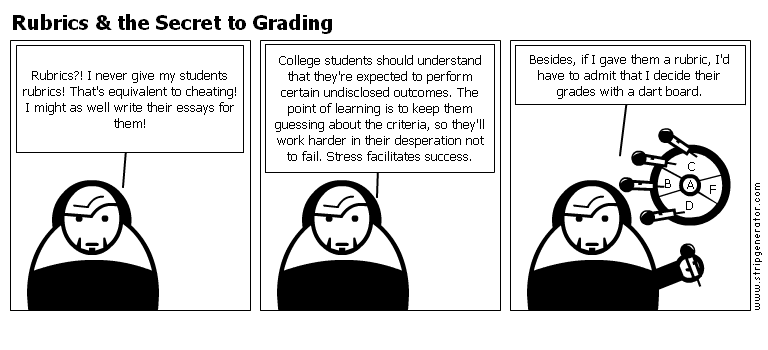
The aim of this unit was to know scoring instruments for performance assessments; checklists, rating scales, analytic rubrics and holistic rubrics. We studied what is a rubric, the different types, their components and characteristics of them. We also learnt that rubrics are used to assess students’ performance objectively, as a font of information about what is expected students produce, and as a mean for giving feedback to students about their performance.
Under the Communicative Approach, rubrics have acquired an essential role in language assessment, because these allow teachers to assess what student produce easily and objectively . Therefore, as future teachers, we must be able to design appropiate rubrics for specific tasks and assess students’ performance, in oral or written form, properly.
From my point of view, it is compulsory for teachers to design proper tests that are valid for learners. This task help me to create proper tests for assessing students reading and listening performance based on what they have been taugh. We need to take into account that assess speaking is not easy because it depends on varios factors, such as: affective filter, among others. Teachers need to desing a rubric in relation to their students´nedds. The main advantaged in relation to rubric is that it allows teachers to give feedback to their students; as a result, students realize about the mistakes and improve it.